
ON VIEW AT RAFFINÉ
— A CULTURAL SPACE —
Raffiné serves as a cultural space where wine, art, and culinary heritage converge. Rooted in the land of Lebanon, each piece on view reveals fragments of a history that shaped the earliest expressions of gastronomy, craft, and human exchange.
Through our window displays, a curated constellation of works are visible from both inside and the street. These pieces echo a heritage carried across millennia, from the world’s first alphabets and maritime trade routes to contemporary Lebanese artistry. Our plates and glassware, designed in-house, carry this same cultural narrative through their form and intention.
THE AIR WOMAN
— Alfred Basbous —
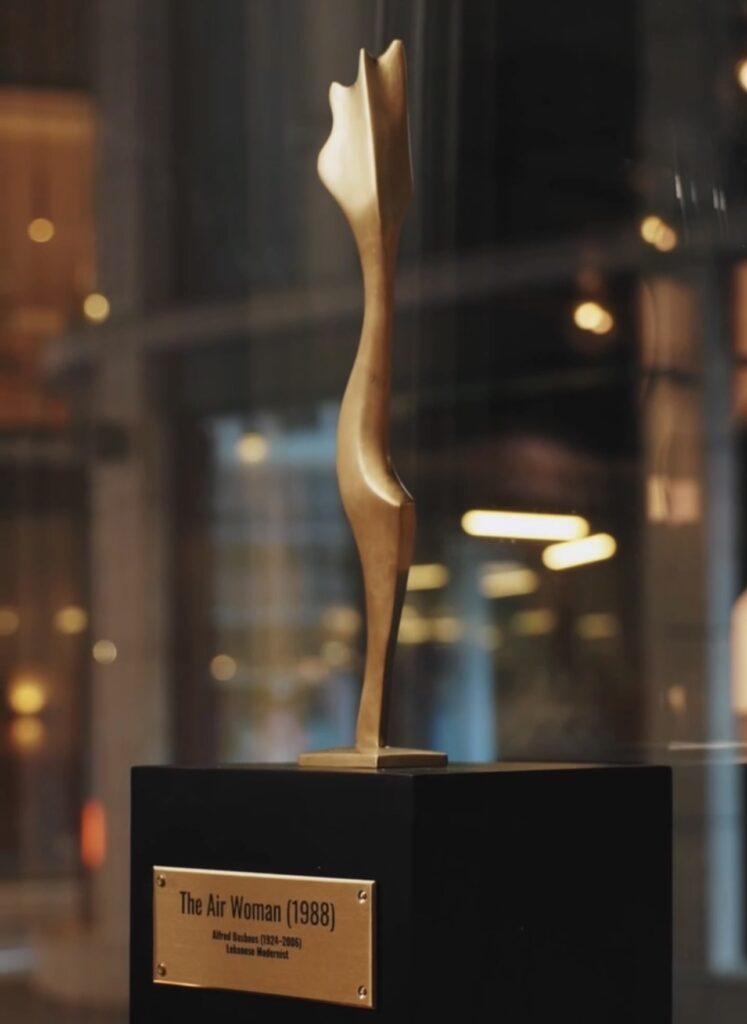
— 1988 —
Created by Alfred Basbous, Lebanon’s most significant modern sculptor and a UNESCO-recognized artist whose works are held in museums from Paris to New York and throughout the wider art world. This piece carries a rare personal lineage. It was crafted and personally gifted to the founders’ mother in 1988 and remained privately held and unseen by the public for decades before becoming part of Raffiné. Today, its presence brings a rare work of Lebanese modernism into the cultural fabric of Oslo.
THE RAFFINÉ "A"
— CENDRA MAROUN —
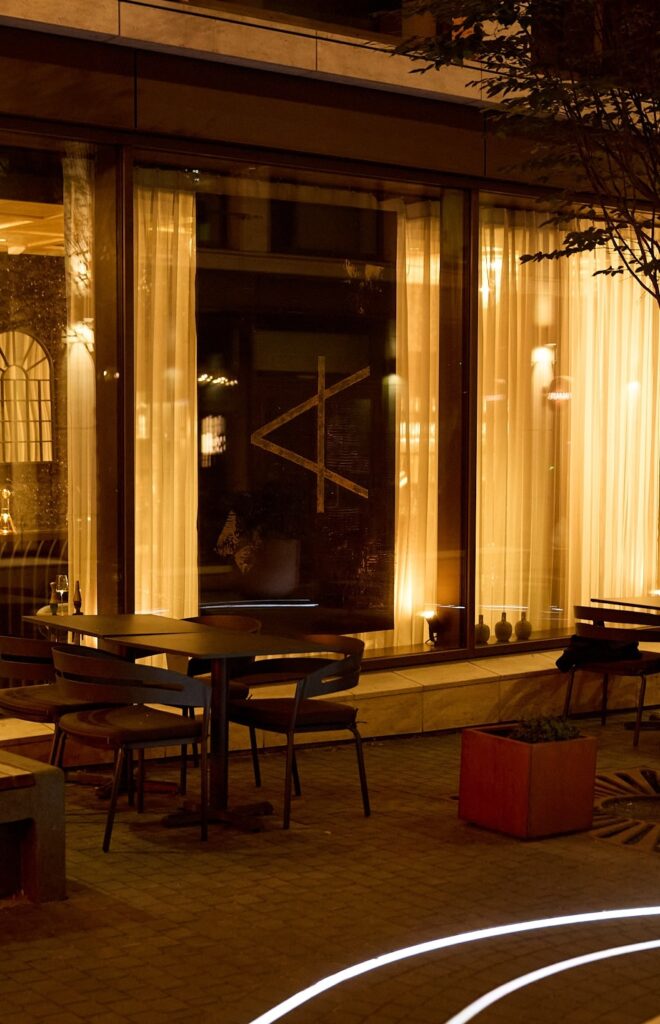
— 2024 —
Hand-painted in Lebanon by contemporary artist Cendra Maroun, a Lebanese-born artist whose work has appeared in exhibitions from Istanbul to Barcelona to Beirut, this piece reinterprets the Raffiné icon, which originates from Aleph, the first letter of the world’s oldest alphabet created by the ancient Lebanese more than 3,000 years ago. As the ancestor of the modern Latin A, it brings one of humanity’s earliest symbols into the cultural landscape of Oslo.
THE Amphora
— National Museum of Beirut —
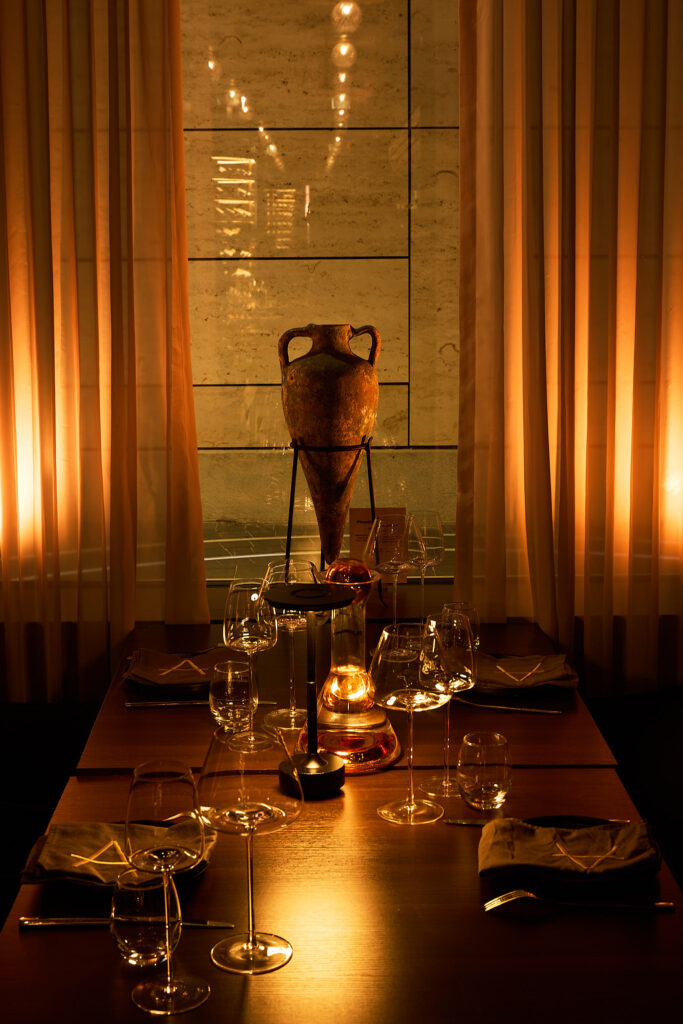
— 2024 —
Hand-crafted in Lebanon, this vessel draws its form from Phoenician amphorae excavated several metres beneath Lebanese soil. Created in precise archaeological proportion in collaboration with the National Museum of Beirut, it mirrors the amphorae used over 3,000 years ago to transport wine and olive oil across the Mediterranean. It stands as a preserved fragment of Lebanon’s maritime origins and one of the earliest conduits of culinary exchange.